Räpina Paper Mill – Three Centuries of Giving Old Materials New Life
On the banks of the Võhandu River in Räpina stands a mill whose story goes back to a time when paper was a valuable commodity and every sheet was made by hand. The mill has made paper for newspapers, song festival publications and banknotes. Today, it makes products that help goods arrive intact. Between those two worlds lie nearly three centuries of work, ingenuity and adaptation.
Räpina is Estonia’s oldest working paper mill. It takes only a sentence to say it. Think of what has changed in that time. Governments, owners, machines and products have all come and gone. The craft of papermaking has been passed down from one generation to the next.
First came the river
The Võhandu played as much a part in the mill’s beginnings as the people who built it. When Count Karl Gustav von Löwenwolde acquired the Räpina estate in 1728, he saw what the river could offer. A dam was built to power a sawmill, a flour mill and a paper mill. One dam powered all three.
Johann Georg Keiser oversaw the construction. His surname is also the Estonian word for ‘emperor’, and it gave rise to a local tale that the emperor himself had come to Räpina to build the mill. Stories like that sometimes stick in the memory longer than dates do.
The paper mill traces its beginnings to 1734. Its first paper was made from linen rags, some collected locally and some brought by boat across Lake Peipus and up the Võhandu to Räpina. Worn-out cloth found a new use. What we now call the circular economy was part of how the mill worked from the start.
In the early days, everything was done by hand. The papermakers dipped a mould into the pulp to form each sheet, then pressed and dried it. Every sheet took time and skill. Watermarks still visible on old sheets tell us about the papermakers who worked here and the people who owned the mill.
The paper that carried Estonia’s story
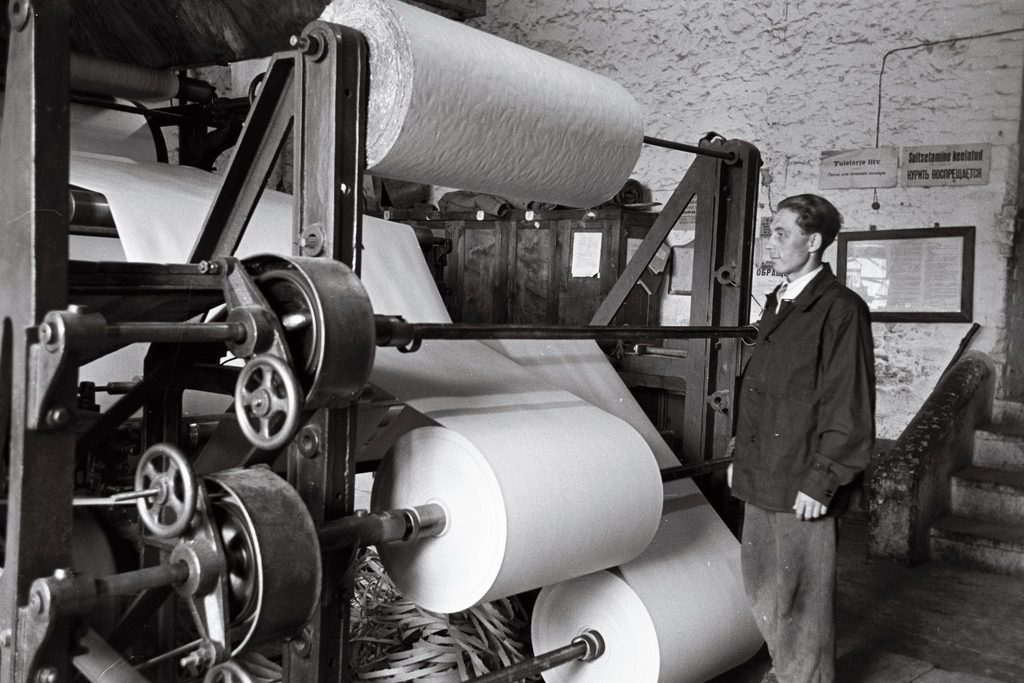
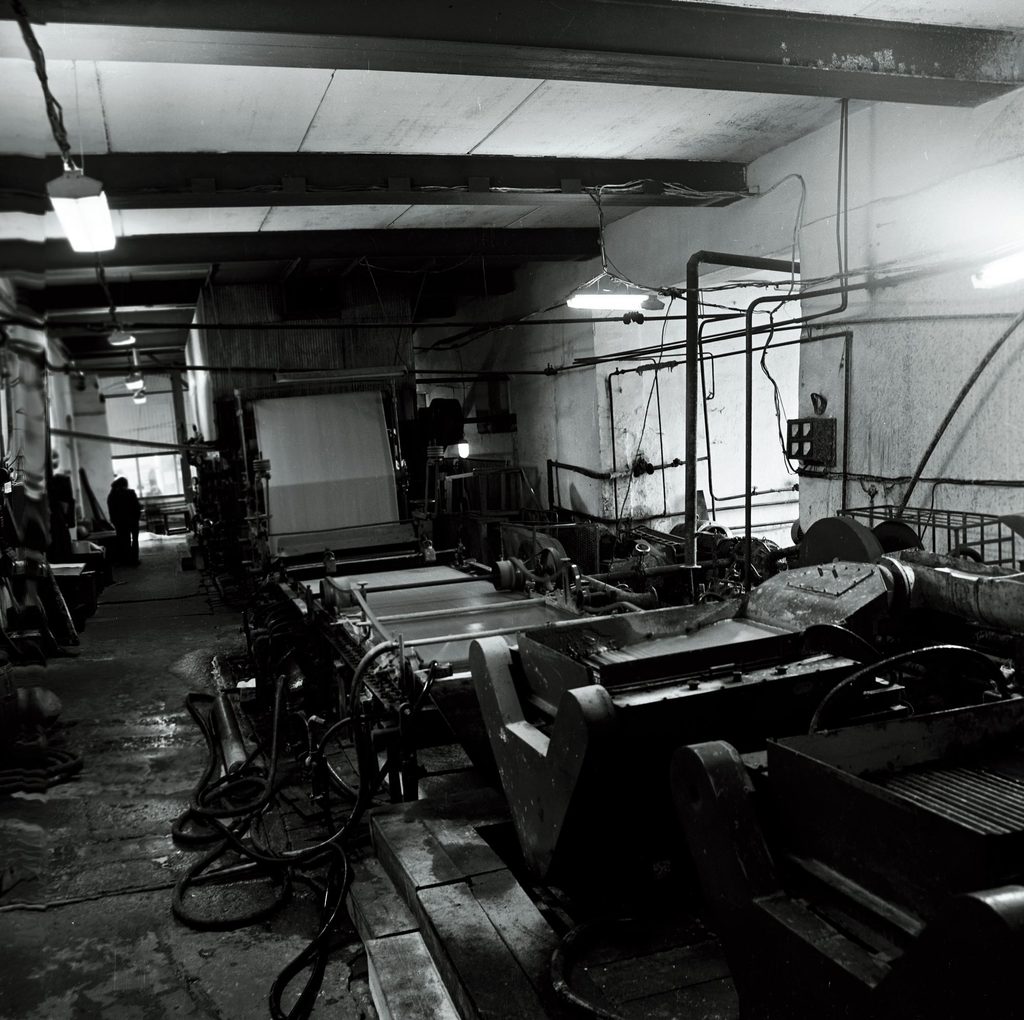
In 1865, Räpina’s first papermaking machine arrived from Germany. It changed how the mill worked and widened the range of papers it could make. The mill produced writing and printing paper, blotting and filter paper, and even thin tissue paper and cigarette paper.
Räpina paper travelled far beyond the mill gates. It was used to print newspapers such as Postimees, Sakala and Olevik, as well as printed material for Estonia’s first nationwide Song Festival in 1869. Later, the mill made paper for some of the young Republic of Estonia’s banknotes.
That is how the work of a small mill on the Võhandu became part of the country’s history. Someone read the news in a newspaper, a singer looked up the words to the next song, and a banknote passed from hand to hand. Few people would have stopped to think where the paper came from. For each of those things, the journey had begun in Räpina.
What does the mill make today?
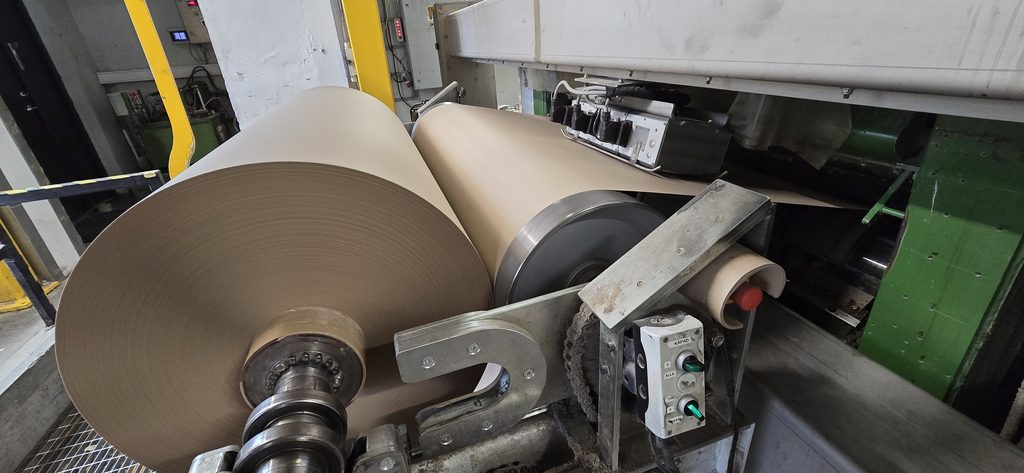
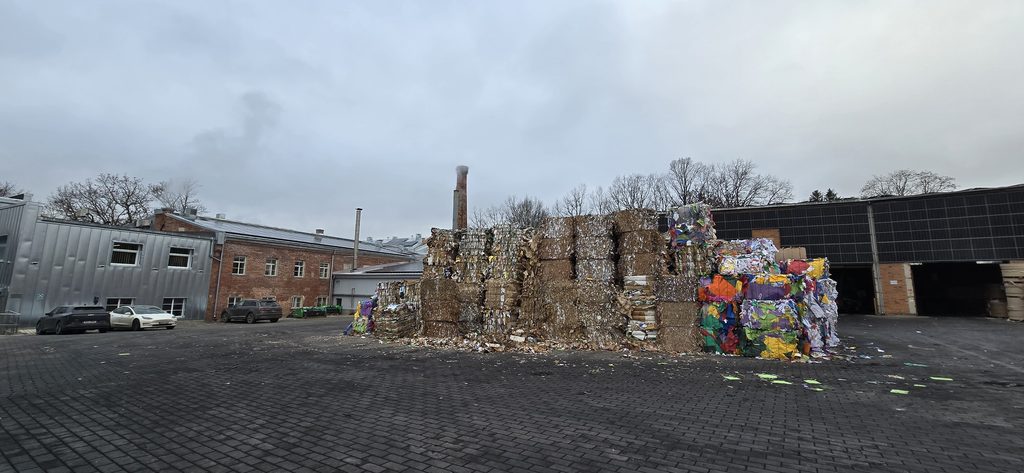
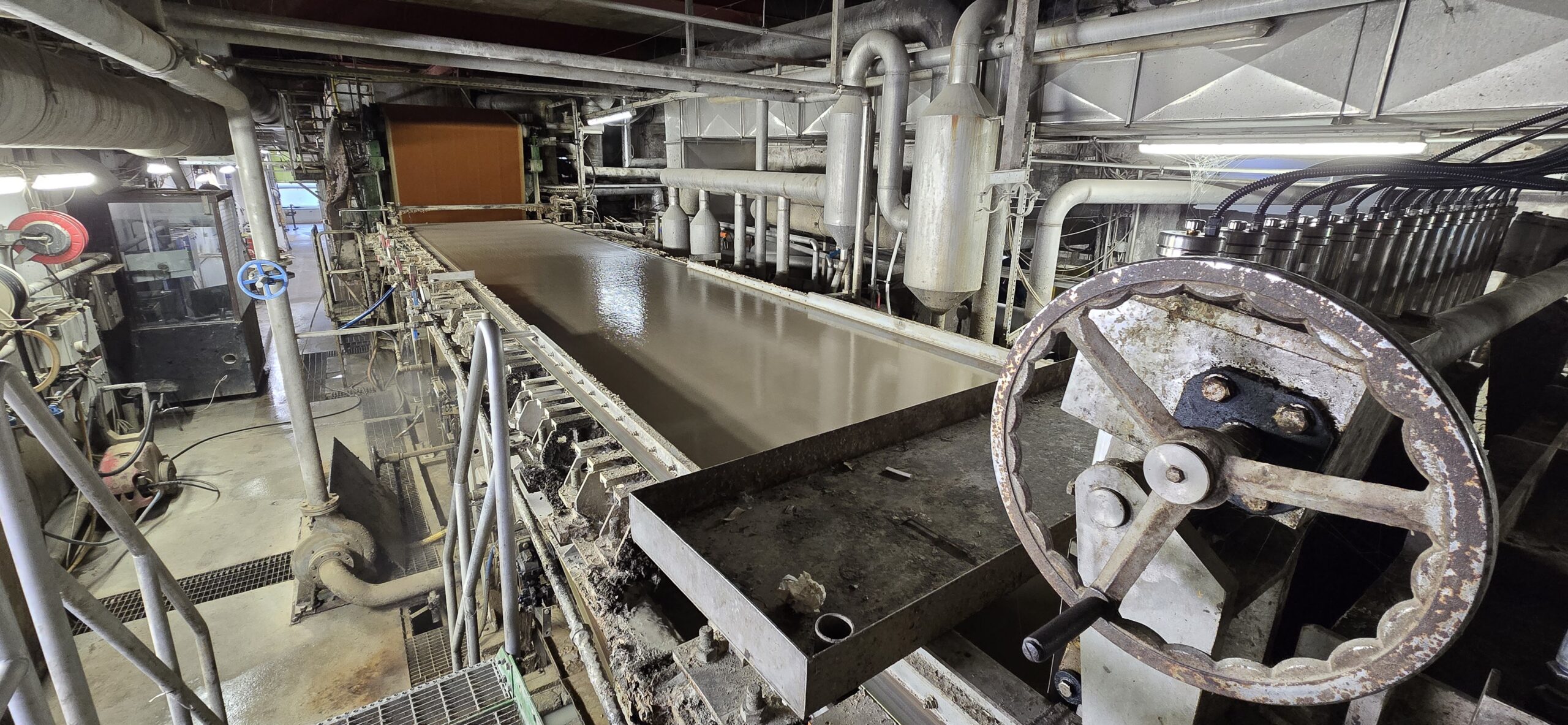
Today, the Räpina mill turns used paper into paperboard. It makes most of the paperboard it needs for its packaging edge protectors, which it supplies to customers in Estonia and abroad.
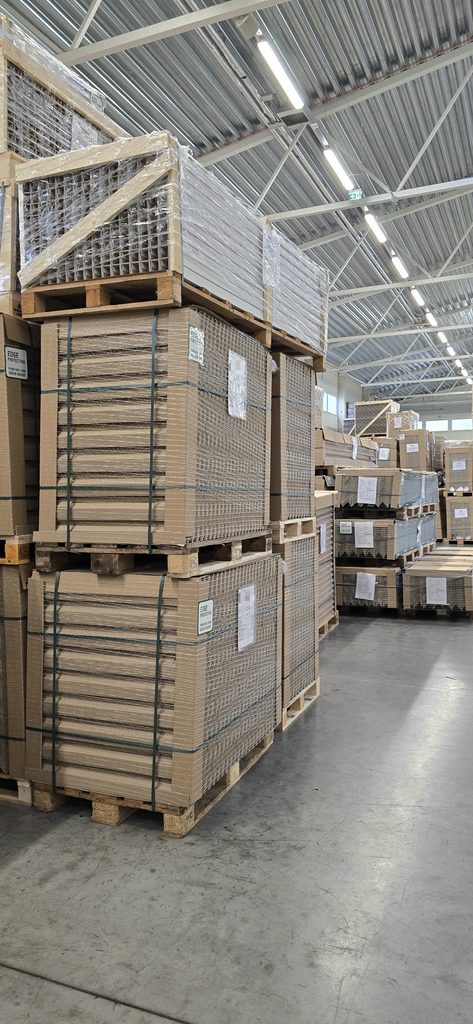
An edge protector is a simple thing, usually first noticed when a delivery is unpacked. It keeps the strapping from damaging the edges of the goods and helps hold the load together. The mill makes these protectors using electricity generated on site from the sun and the river.
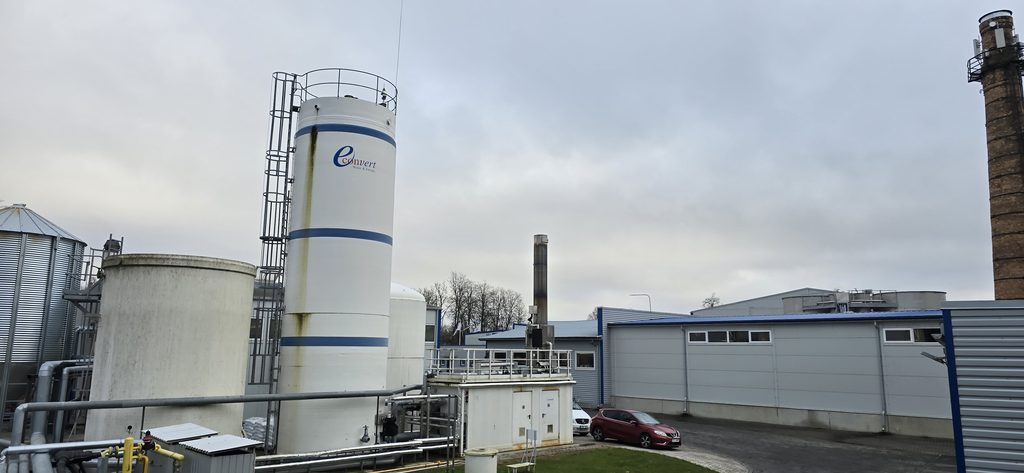
The mill also reuses its water. It treats the water on site using processes that work both with and without oxygen, then returns it to production. That reduces the amount of fresh water the mill needs. Most of the large tanks in the yard are part of the water treatment system.
The story of banknote paper in Räpina has come full circle. The mill has also recycled banknotes from the Estonian kroon, the country’s former currency, after they were withdrawn from circulation. The place that once made paper for banknotes later gave the old notes a new use.
When exploring south-eastern Estonia, places like this are worth a look alongside the forests, bogs and manor houses. At Räpina Paper Mill, a river, the skills of generations and nearly three centuries of industrial history come together. The next chapter takes shape here every day, out of used paper.
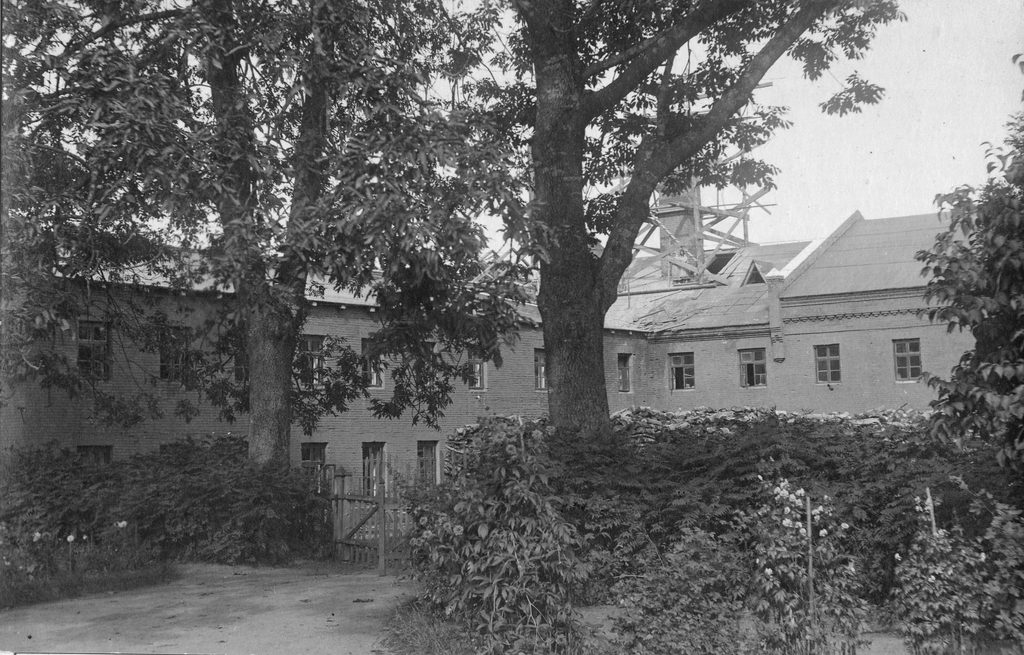
Photos: Black and white photos come from the National Archives
Photos: Kristi Seim