
Why Metsa 7, Põlva?
Have you ever been to Põlva? I have — because I was born and grew up there 🙂 That sentence alone would probably answer the question “Why Põlva?” for many. But the background is much deeper.
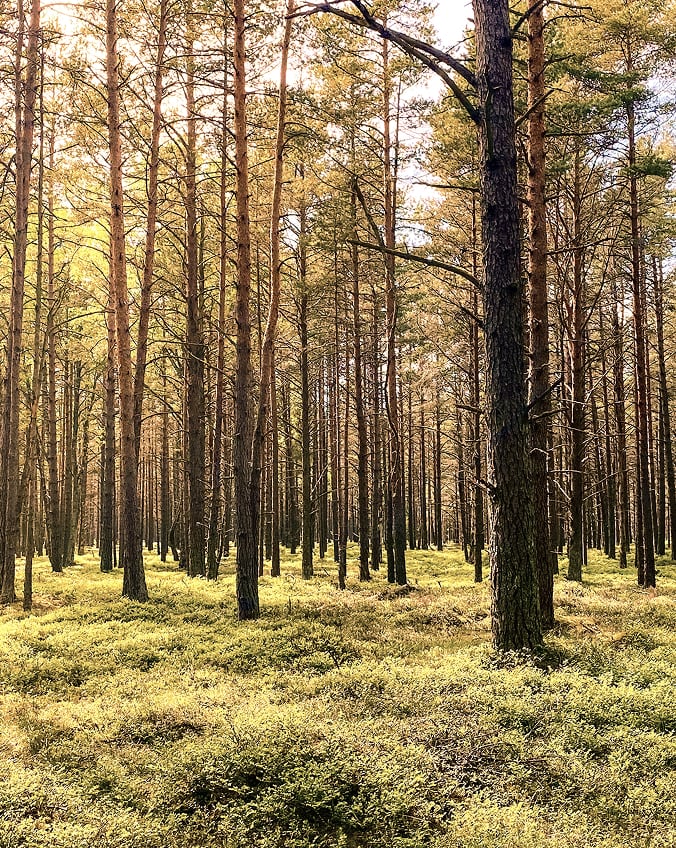
There are places you don’t end up in just because they’re on the map. You arrive because something pulls you there. South-Eastern Estonia is that kind of place. Here, instead of a single layer of nature, there are strata — underground, in the landscape, in the language, in the people, in the memory. It is Estonia, and at the same time a world of its own. The first feeling is not “a beautiful view” but space. A space where the landscape is not flat and open, but moves with you — up, down, into the valley, into the bog, into the forest. You cannot rush here. It’s simply not possible — something tells you to stop and just be.
South-Eastern Estonia (or North-Eastern Europe) has always been a borderland, as far back in history as you can look. Nearby are Russian territories, the spheres of Livonia and Pskov, even contact with the Mongol Empire. But borderlands create strong identities — their own language, their own customs, and a certain resilience. You can see and hear it as you move from Põlva toward the frontier — from Võro and Seto language to local culture and architecture. Everything here is so deeply its own that people don’t lock their car doors when they go to the shop. Why would they?
For those who come from South-Eastern Estonia or spend more time here — hasn’t it started to feel that the south-east is not just a “regional variation of Estonia,” but a cultural space of its own? An ancient one, carried by very early permanent settlement made possible by abundant waterways and fertile land. And an ancient cultural space also means sacred places. So when people speak about the “power” of this region, it isn’t just romanticism — Taevaskoja, as an ancient sacred site, draws people from all over the country.
One of my great loves since 1985 has been orienteering. Moving through the landscape taught me to perceive nature differently — not as a backdrop, but as a system. I learned to see where the terrain carries you and where it slows you down, where the logic of movement lies and where the details make the big picture readable. South-Eastern Estonia was and is perfect for orienteering — technical, varied, demanding. It doesn’t allow you to be superficial. You have to be present. That skill has stayed with me through every stage of life — in entrepreneurship and in the choices of where and how I create places.
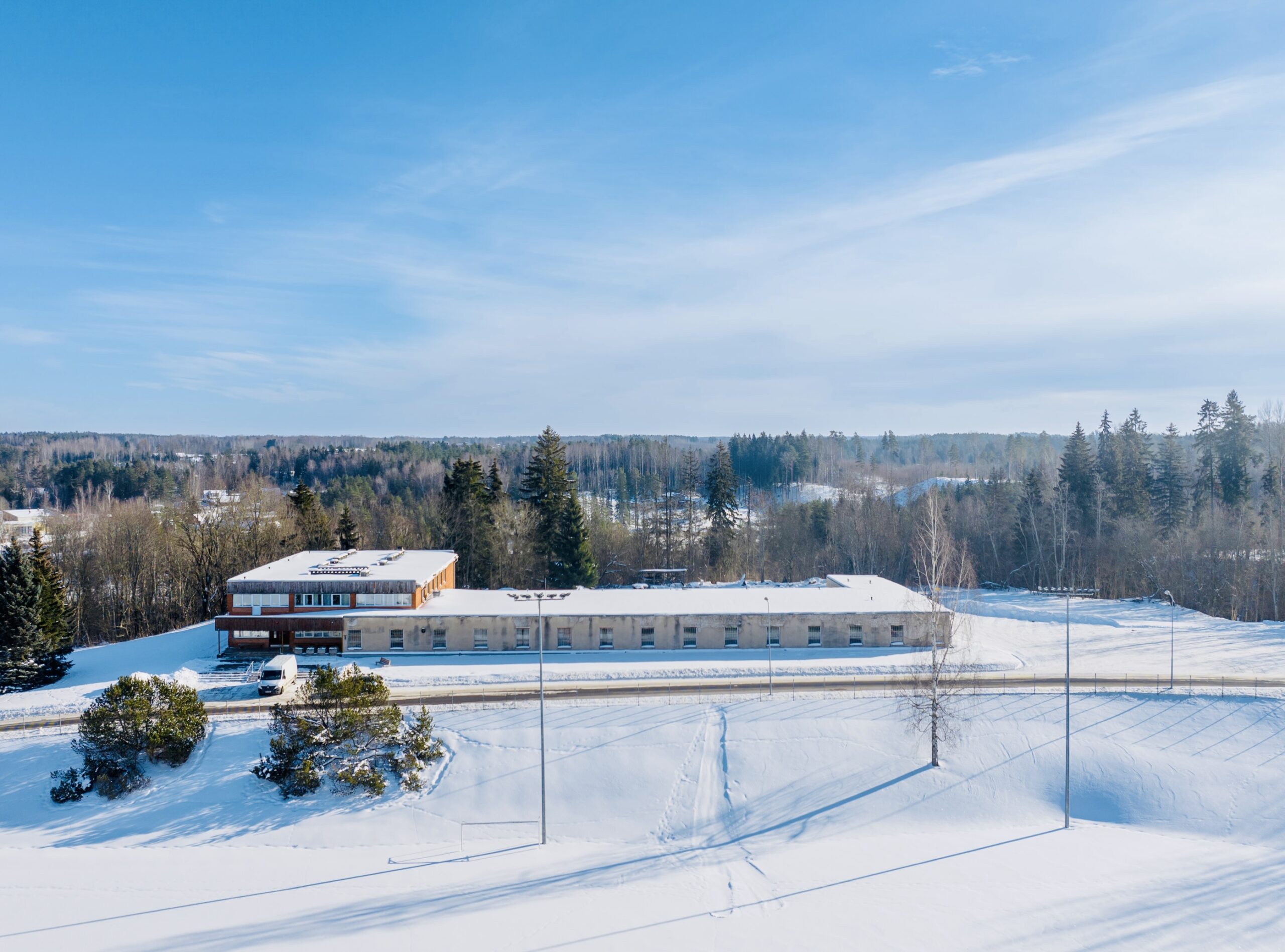
Põlva lies in the middle of all this strength and beauty. A town built on the banks of the Ora River, in a primeval valley shaped by Ice Age meltwaters. Põlva is full of sport, movement, culture, real food, and small colourful wooden neighbourhoods. And in Põlva stands Metsa 7.
Metsa 7 is not a project for which a suitable location was later found. Quite the opposite. Metsa 7 was the centre of all my orienteering and Põlva years. It was the place you passed through on the way to competitions and back, where you received your prizes and your equipment, the home of our club — simply the Sports Hall. The centre. And once I promised myself that when the time was right, I would give Metsa 7 a new life.
Now that time has come. But Metsa 7 is not personal — it is “of the south-east.” Nothing in South-Eastern Estonia happens quickly, and that is exactly its value. Here you move along a river, not a highway. You watch the mist rise from the bog and go into the forest without a goal. You run and ski because the terrain is so good. This is a space where a person returns to themselves.
Why does all this matter? Because South-Eastern Estonia has remained itself in a world that is becoming more and more alike. And we are creating the Metsa 7 nature hotel to capture all of it — from birdsong to the whisper of skis. Let’s go!
Kaidi Ruusalepp, Founder and CEO of Metsa Collection Group