
Intsikurmu
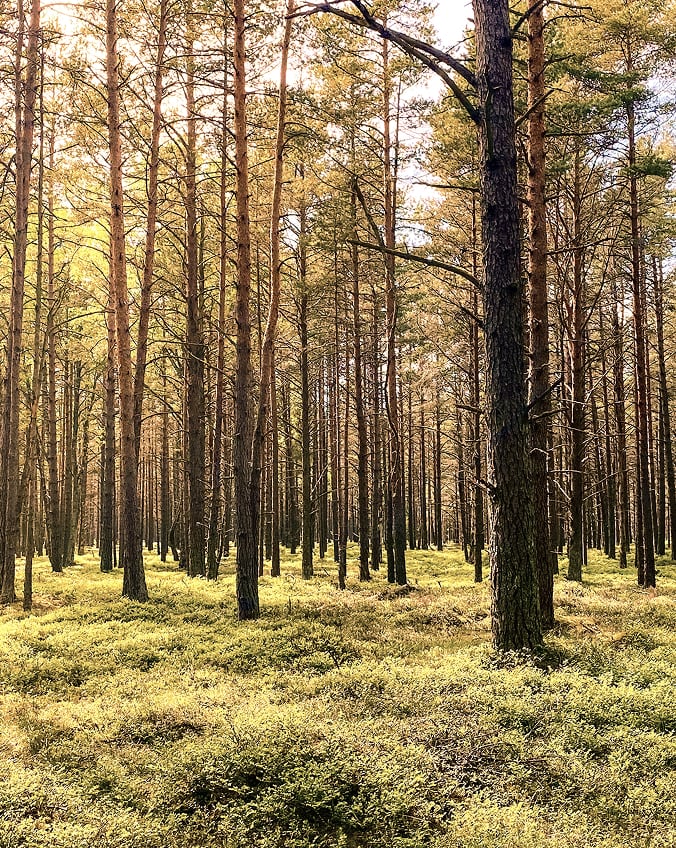
Between the town of Põlva and the village of Rosma, on the slopes of the ancient Orajõe valley, lies Intsikurmu (also known in local dialect and history as Indsikurm or Itsikuurma) — a hilly, wooded place that drives a wedge of wild nature right up to the heart of Põlva.
The steep, hilly land — boggy in some of its valley bottoms — has for centuries largely kept both farmers and house-builders away, and so this area, part of which falls within the town of Põlva, remains a wild place to this day. A large part of Intsikurmu is a protected woodland park, and its remaining nooks hold the habitats of protected orchids that put limits on any further building.
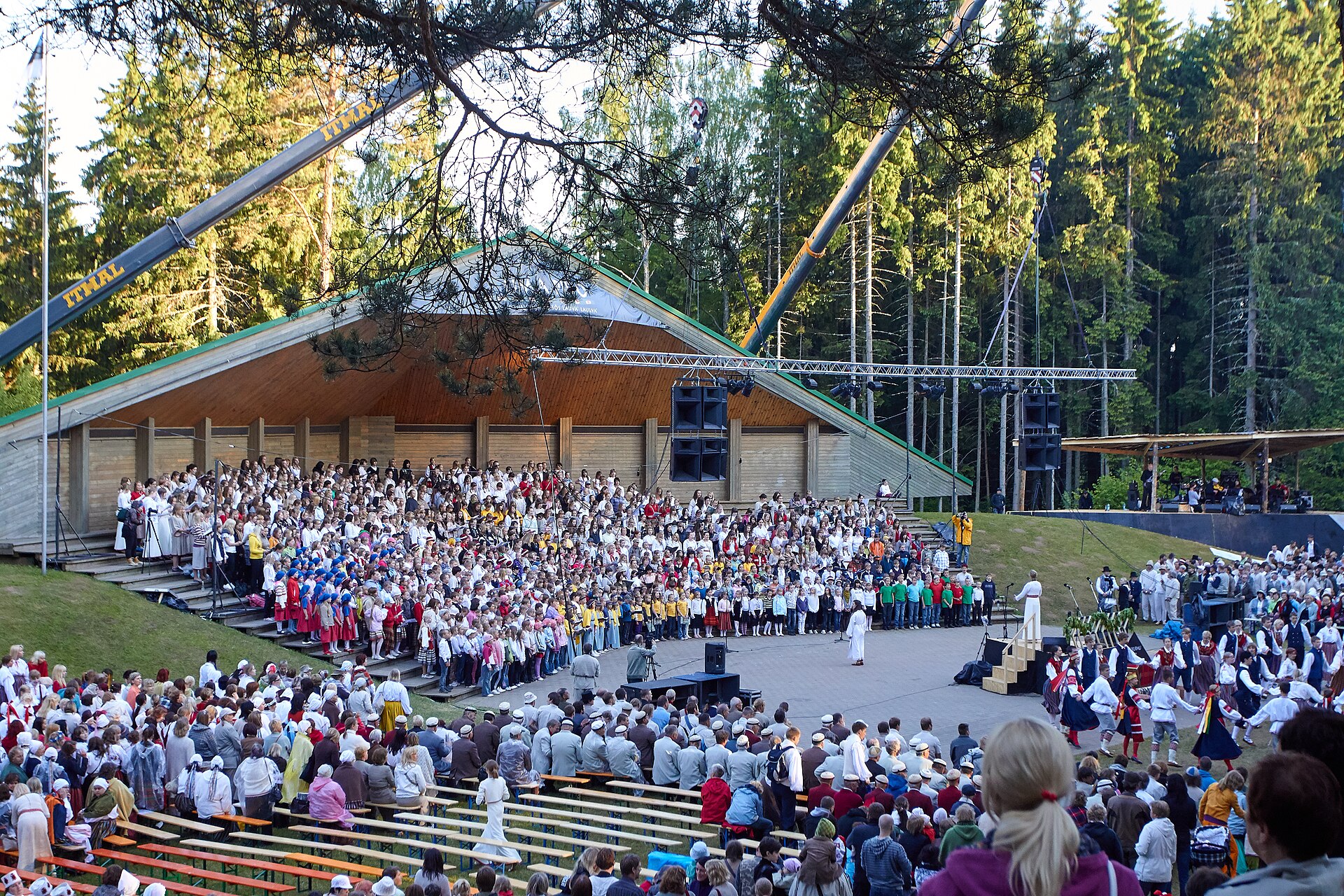
The woodland park is home to the town’s song stage, where both dance and song festivals are held. The first joint singing of Estonian choirs took place here as early as 1855. The song stage was built into this beautiful forest setting in 1969, to a design by the architect Vadim Tšentropov. In 2002 the stage burned down and had to be rebuilt over the following years.
Today the Intsikurmu song stage is in active use as Põlva’s concert and festival venue. It holds nearly 3,500 singers, with a square for dancing in front of the stage and benches for the audience on the opposite slope. The song stage is managed and its programme organised by the Põlva Culture and Hobby Centre — the cultural institution voted Concert Venue of the Year 2025.
What made the place famous across Estonia was the Intsikurmu music festival, held from 2013 to 2023, which brought thousands of visitors and well-known international artists to Põlva. Over more than a decade, many people came to Põlva for the first time in their lives without ever quite having planned to — for they were coming to Intsikurmu, and only pieced the exact map together in their heads once they had arrived.
The festival quickly grew popular: alongside good organisers and performers, it was above all the truly magnificent venue that played a major part. Concerts in the mellow summer evening, in a light-filled, hilly pine forest beneath tall trees. And as if that were not enough, the cherry on top was the immediate proximity of all of Põlva’s amenities and services. Sadly, the coronavirus pandemic sent the festival into decline, and the event announced for 2024 was cancelled.
The place itself remains, and the festivities carry on — alongside Midsummer celebrations and song and dance festivals, the venue hosts the Harmoonika accordion festival and several more dance-oriented summer parties. The return of nationwide fame waits for its time and for new, bold organisers.
The power of the place surely owes something to its name, too — to the beauty and memorability of its sound. Indsikurm takes its name from a plot of land across the Orajõe in the village of Rosma. The plot’s name is older than the Indsikurmu mill, which was built here in the 1920s. In the place-name archive, the form considered the older of the original natural name is recorded as Itsikurm or Itsikuurma. The word kurm or kuurma means a secluded place, a nook, or even an island of forest. Hints or Ints, meanwhile, is an adaptation of the man’s name Hindrik — from the German name Hinz. The name of some of the cadastral plots there is indeed Hintsikurmu.
Photo: Vaido Otsar, Wikimedia Commons, CC BY-SA 4.0
