ACTIVITIES
Our next seven favourites — places for sports, nature journeys, and unique places in South-Eastern Estonia. And please meet the people we recommend you set out on these adventures with.
Our next seven favourites — places for sports, nature journeys, and unique places in South-Eastern Estonia. And please meet the people we recommend you set out on these adventures with.
Sports
The diverse, nature-rich dome landscape of South-Eastern Estonia is meant to be experienced with all five senses.
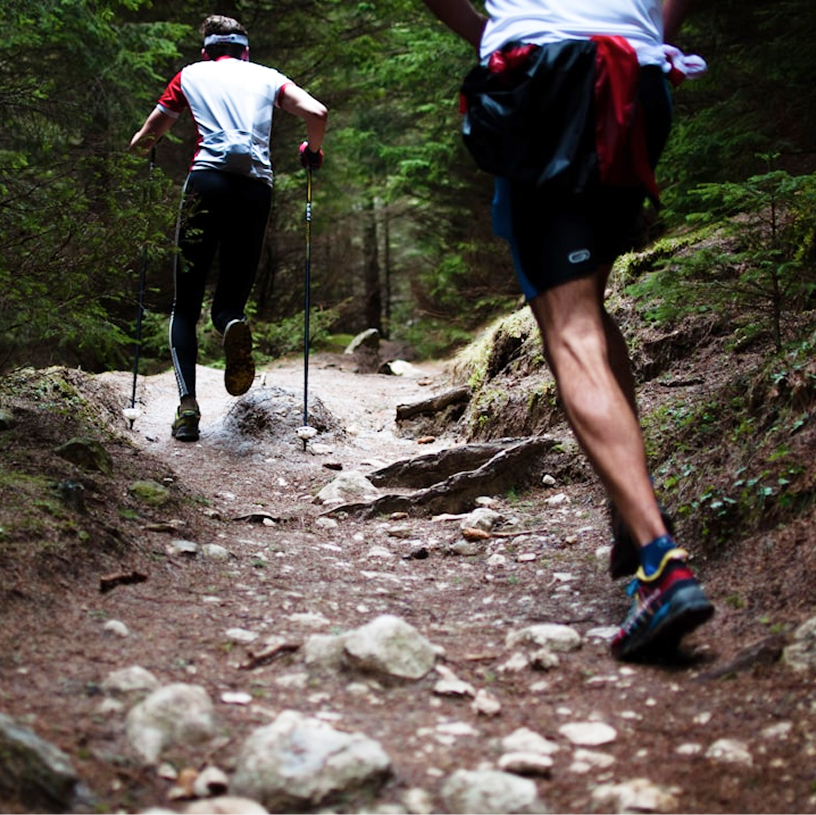
WALKING AND RUNNING
Throughout the beautiful hills of Southeast Estonia, you'll find countless health and hiking trails perfect for both casual wandering and serious running.
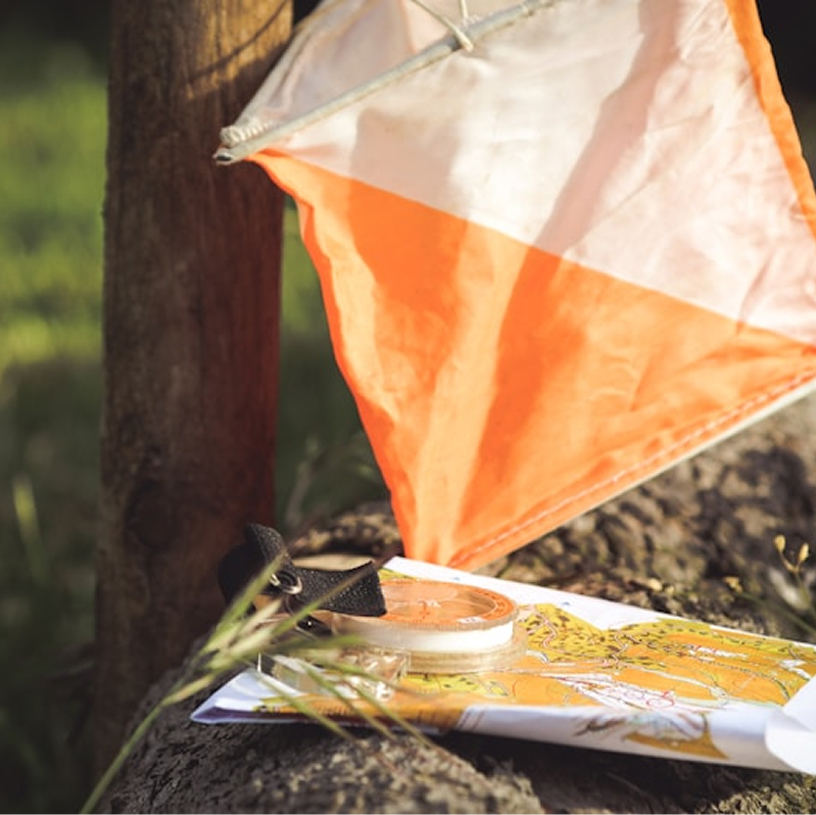
ORIENTEERING
You can also run off-trail through meadows and thickets. This region hosts Estonia's most active orienteering clubs. Training events and beginner lessons are held from spring to autumn around
Põlva,
Otepää,
Võru,
Värska and
Tartu. Find a
suitable map or try
mobile orienteering on fixed tracks.
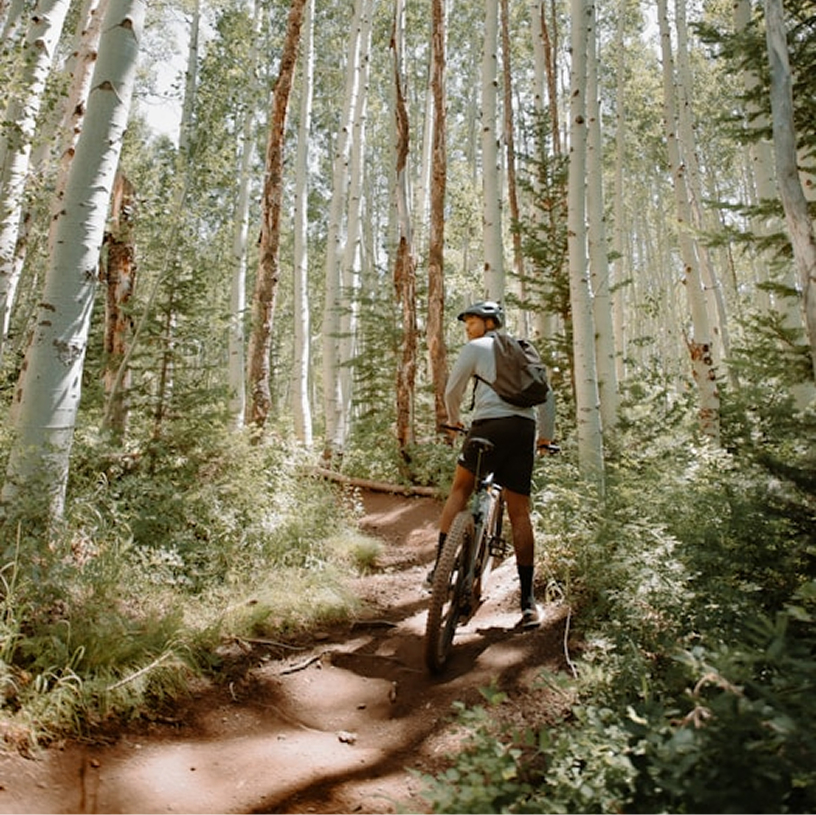
CYCLING AND KICK-BIKING
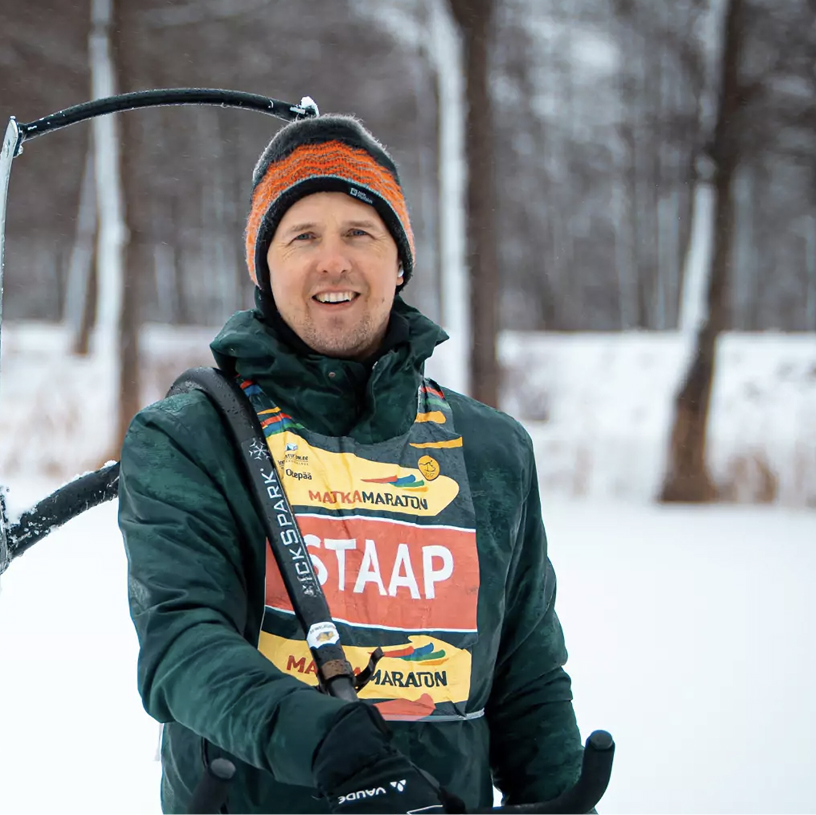
The scenic roads here are generally quiet, and all major towns offer bike rental and repair services. Around Põlva and Pühajärve, off-road kick-bikes are popular and
available for rent.
Winter sports
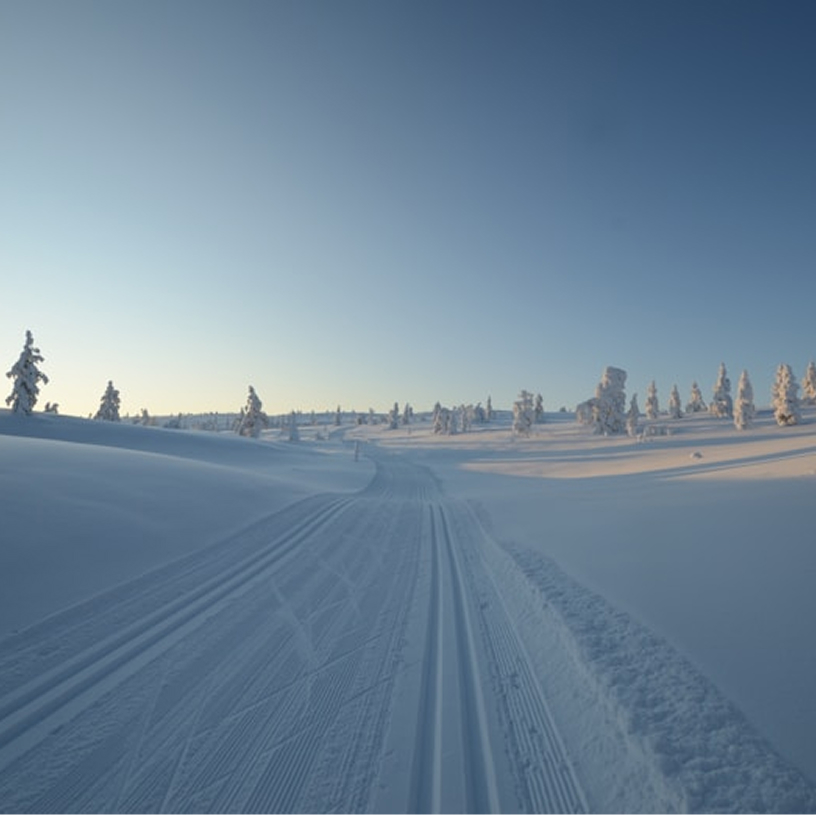
Southeast Estonia is home to our winter capital Otepää. Also, here are the finest ski trails — in Haanja and along the Tartu Marathon route, and Mammaste. Numerous bogs and lakes also offer opportunities for
tour skating.
On the water
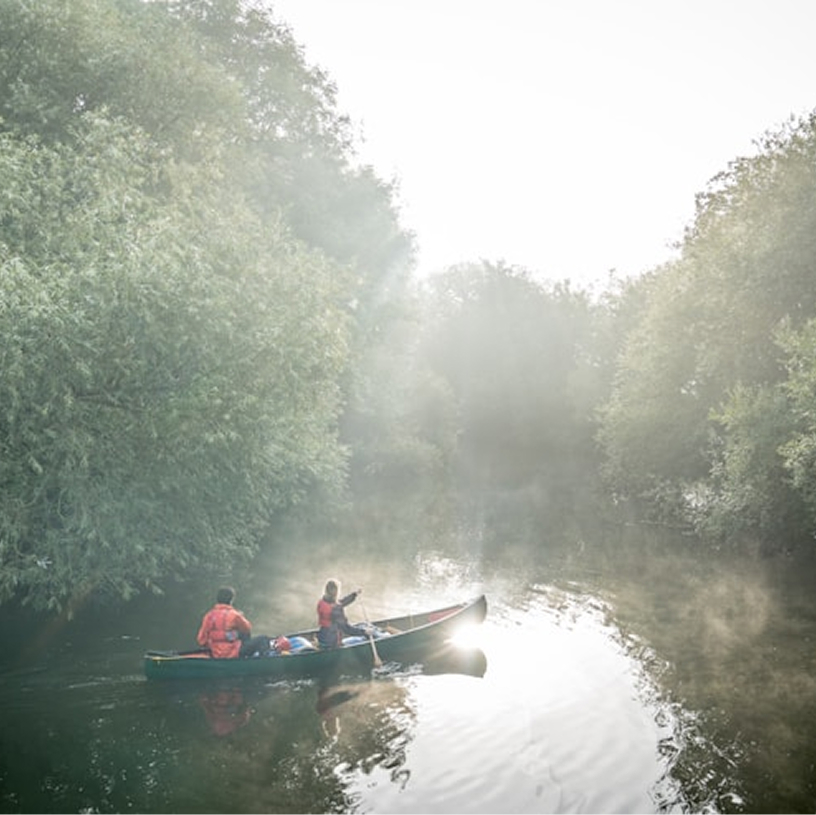
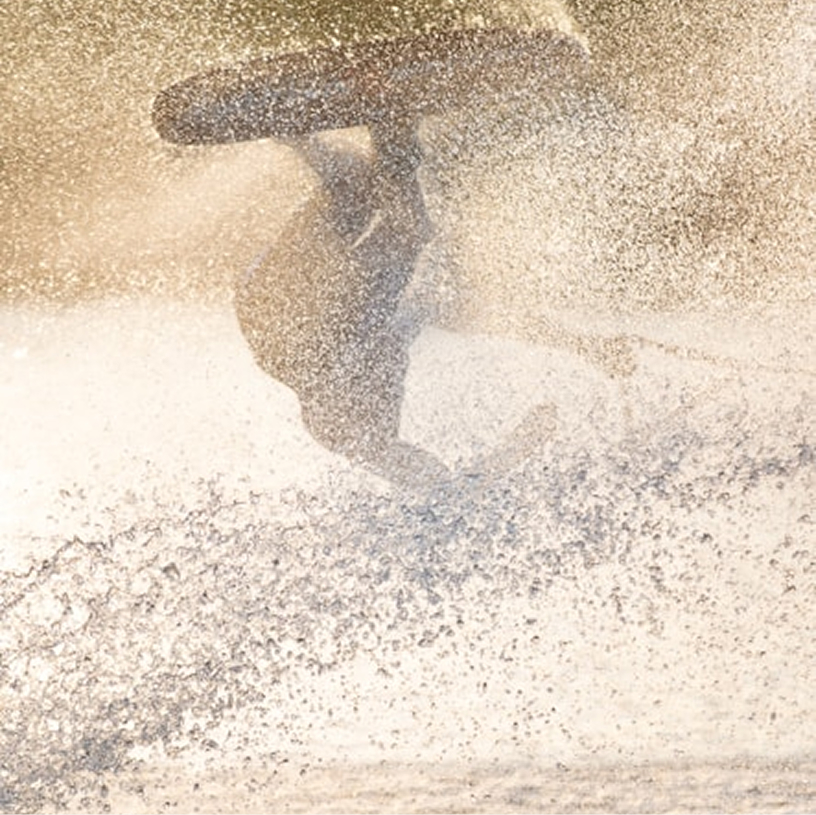
The winding rivers of the region — Võhandu, Ahja, Piusa, and Koiva — offer stunning views and attract canoeists, SUP-boarders, and kayakers for much of the year. You can rent equipment or, better yet, hit the water with an experienced group leader.
Shooting sports
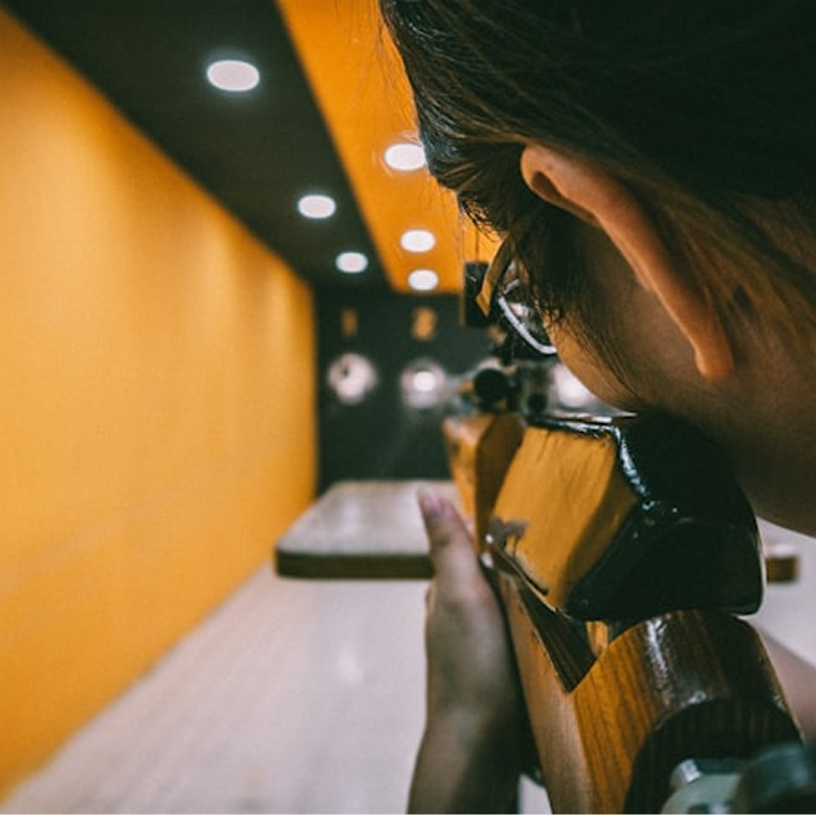
The original heritage of Metsa 7, which will carry into the future together with the hotel, is the shooting sports centre located here. In the renewed complex, young people and adults alike will be able to train and compete in modern conditions, opening the door — building on a long tradition — to hosting international competitions in the future. Those simply interested in trying it out will be guided by experienced shooting instructors.
Into the Nature
Sometimes the best way to enjoy nature is without the "sport" element. There is no better place for this than Southeast Estonia.
Snowshoeing and bog walks
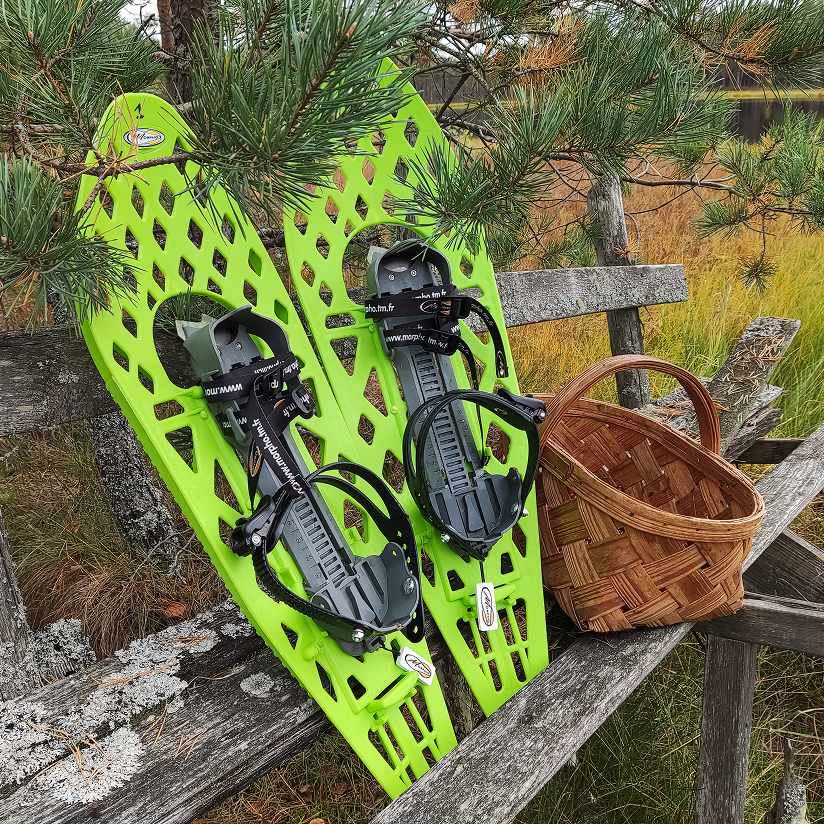
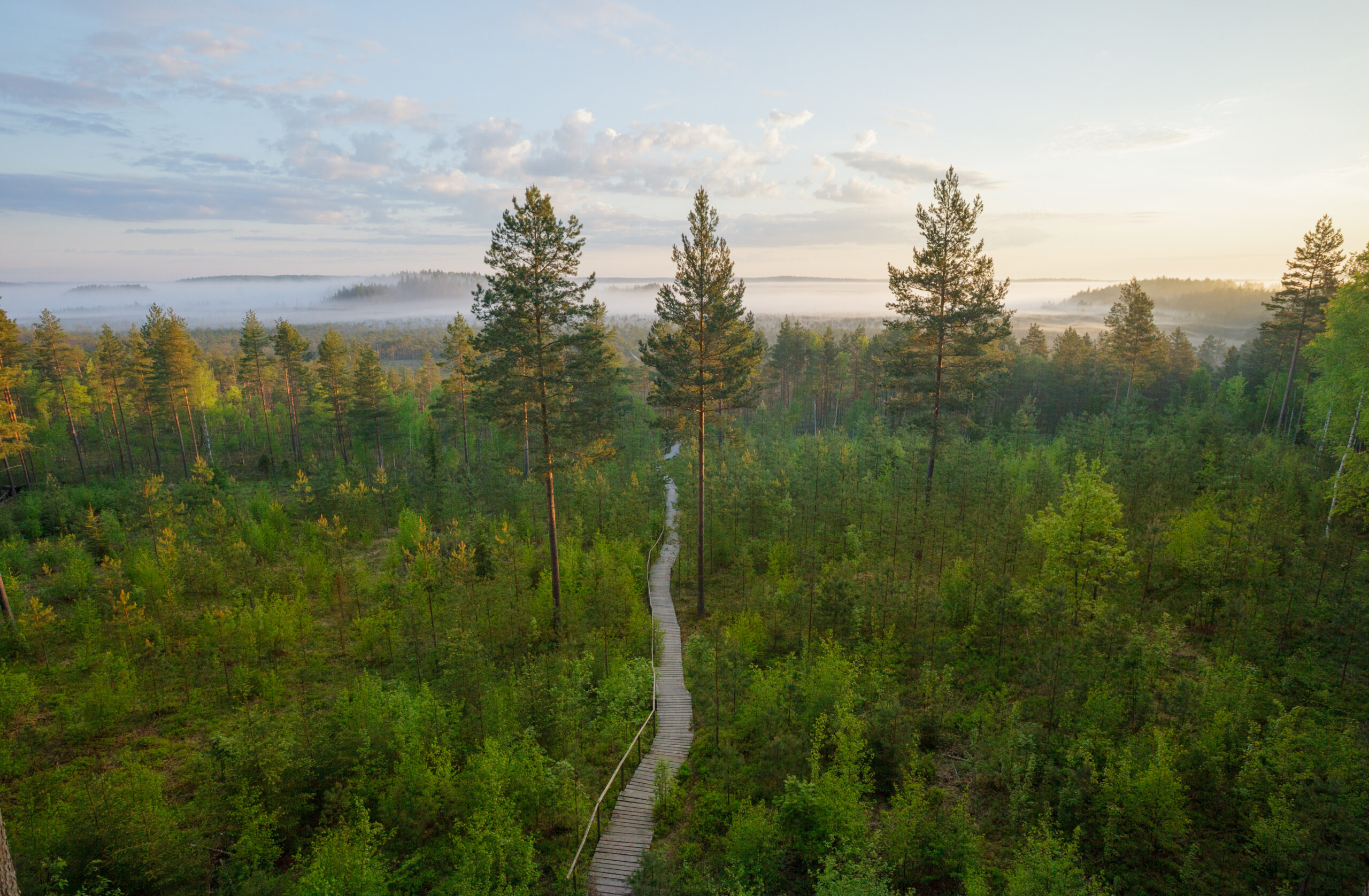
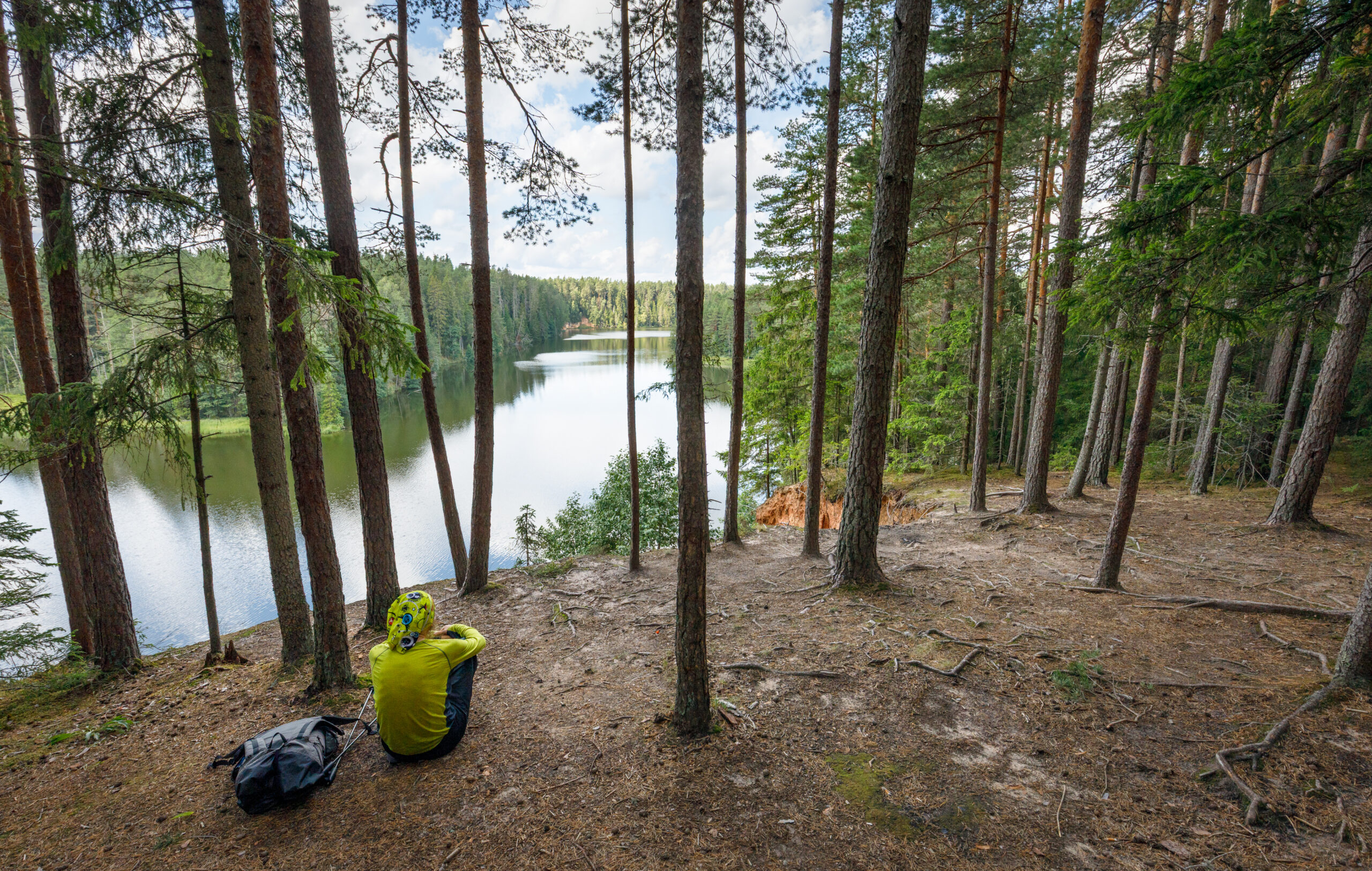
The stunning bogs of Southeast Estonia can be visited year-round (check maps for restricted areas). You can go solo in rubber boots or with a guide on snowshoes. Organized trips are available in
Meenikunno,
Meelva,
Valgesoo, and
Setomaa near the Russian border.
The Night market
The region is famous for
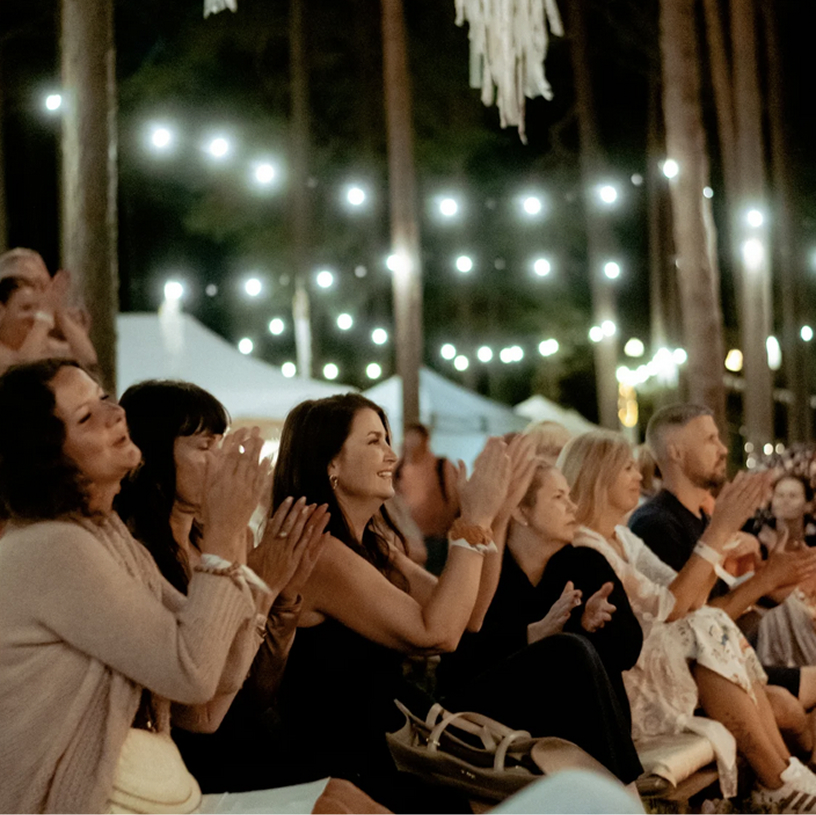
its lively markets. The Uma Üülaat (Home-grown Night Market) is unique—it takes place at dusk amidst magical islands of light in a pine forest near Hargla.
Music
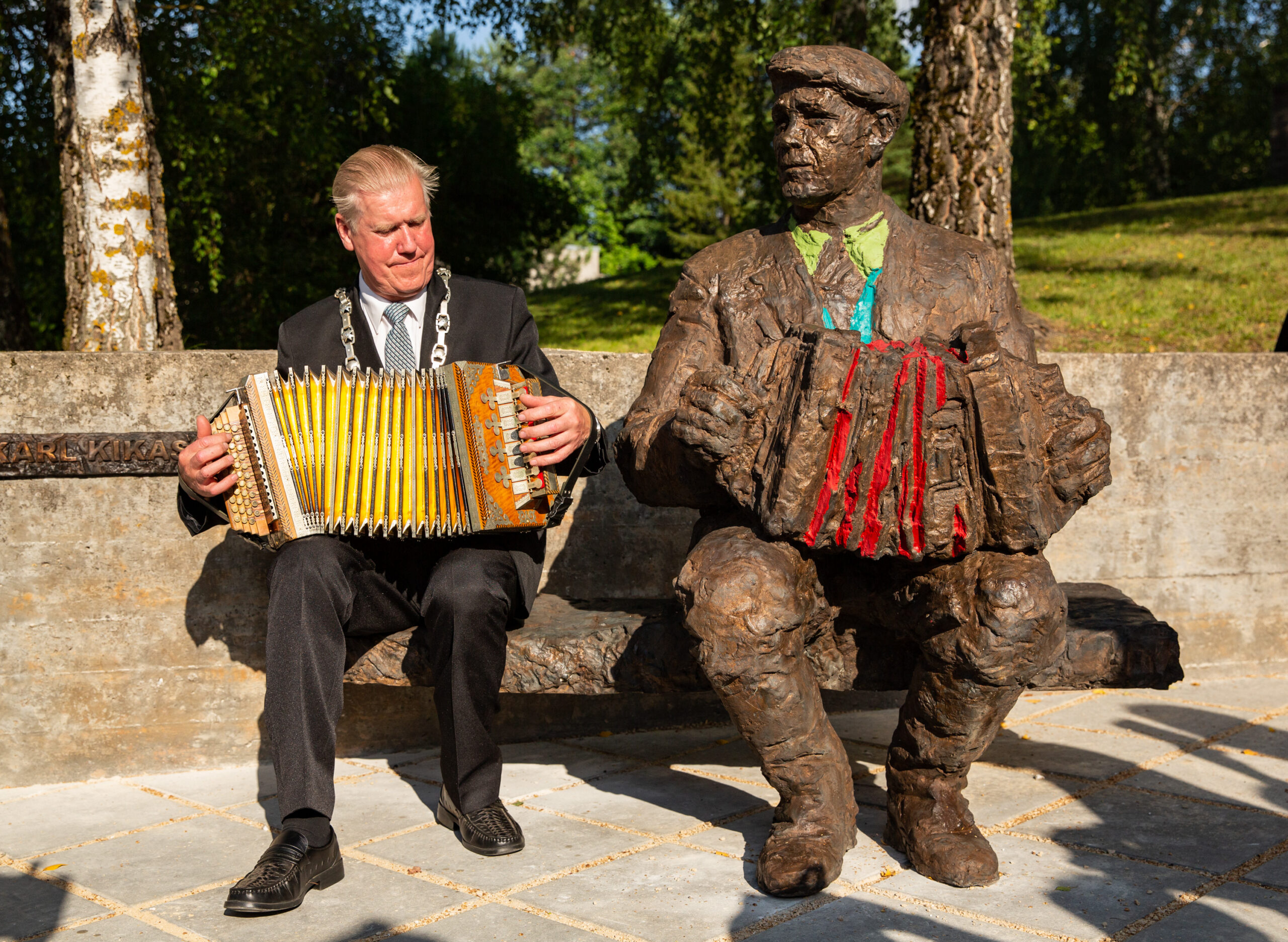
Perhaps the best-known meeting place of nature and music in South-Eastern Estonia — the Intsikurmu Festival — is currently on pause, but throughout the year cultural life is kept vibrant by the Põlva Cultural Centre, both indoors and out in nature. Põlva is also the squeezebox capital of Estonia, so keep an eye on the calendar!
Maajaam (Earth Station) is an extraordinary phenomenon — an art residency and gallery located among the domes of the Otepää highlands. It focuses on technological, electronic, and interactive art, guaranteeing a unique nature experience.
SEE MORE
Special Places
Places we highly recommend visiting for sport or exploration.
Meenikunno
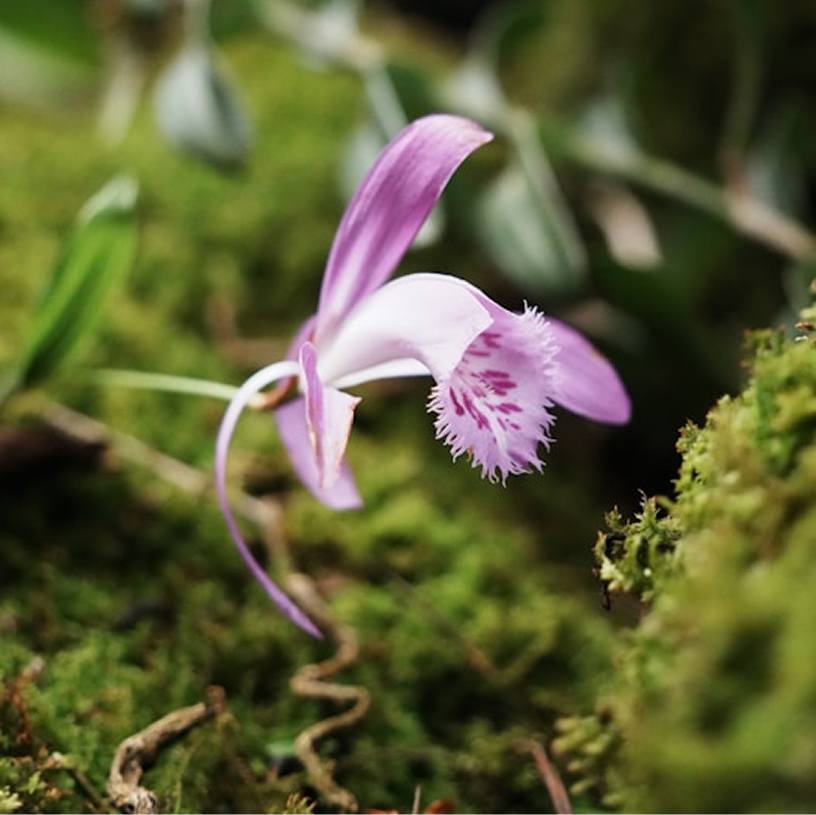
A bog with a boardwalk and a sunset hut. Instead of small bog pools, there are two large bog lakes here (with a swimming area!) and several bog islands with tall trees. Nature lovers will notice different bog types and a richly varied plant life.
Meenikunno is waiting!
Taevaskoja
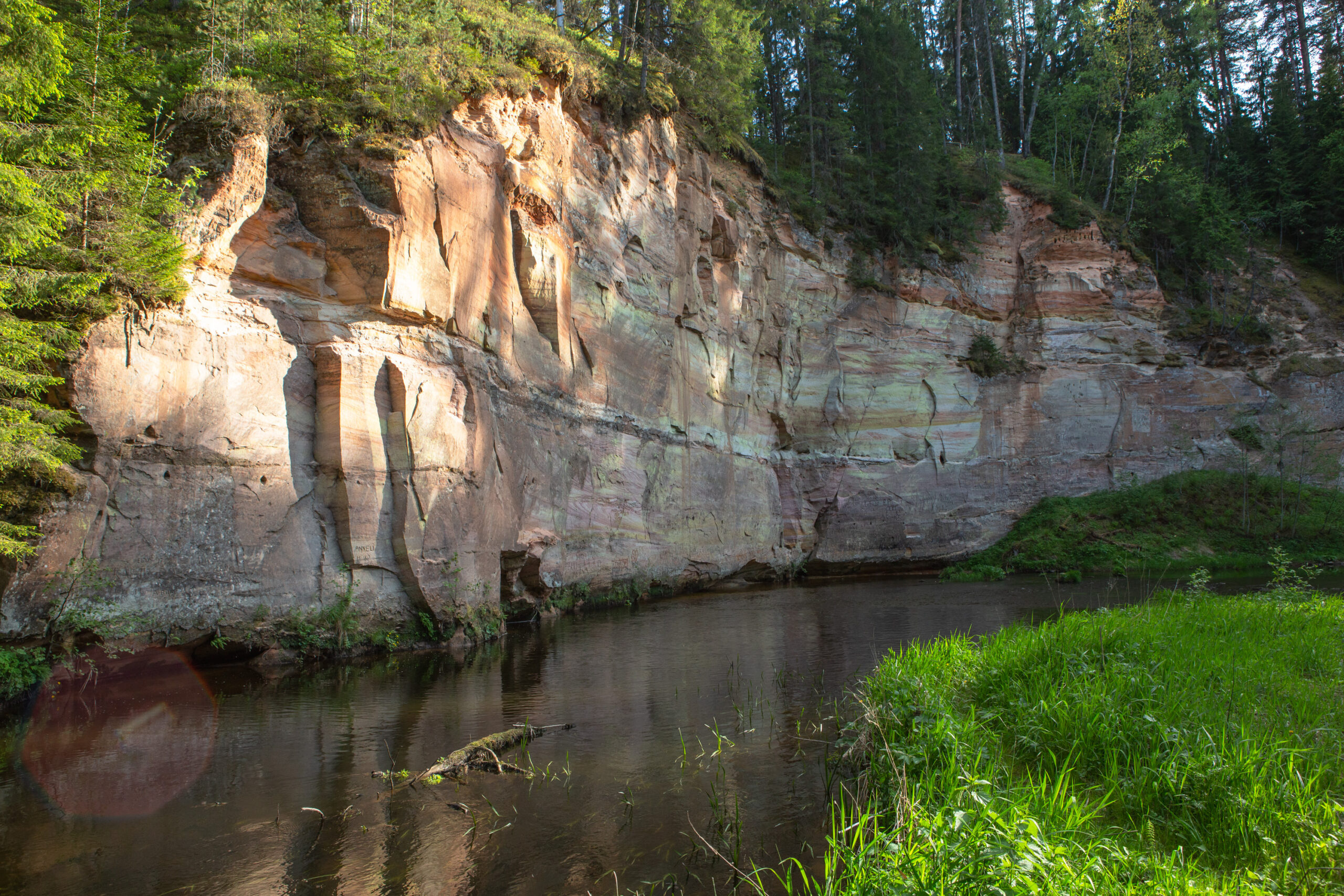
The canyon-like sandstone outcrops of the Ahja River’s primeval valley — up to 22 metres high and 400 million years old — together with the meadow in front of them form what feels like a natural sanctuary. Väike and Suur Taevaskoda, the Mother Spring, the Maiden’s Cave — each with its own story and enchantment. The best source for discovering the Taevaskoja area
is here.
Piusa
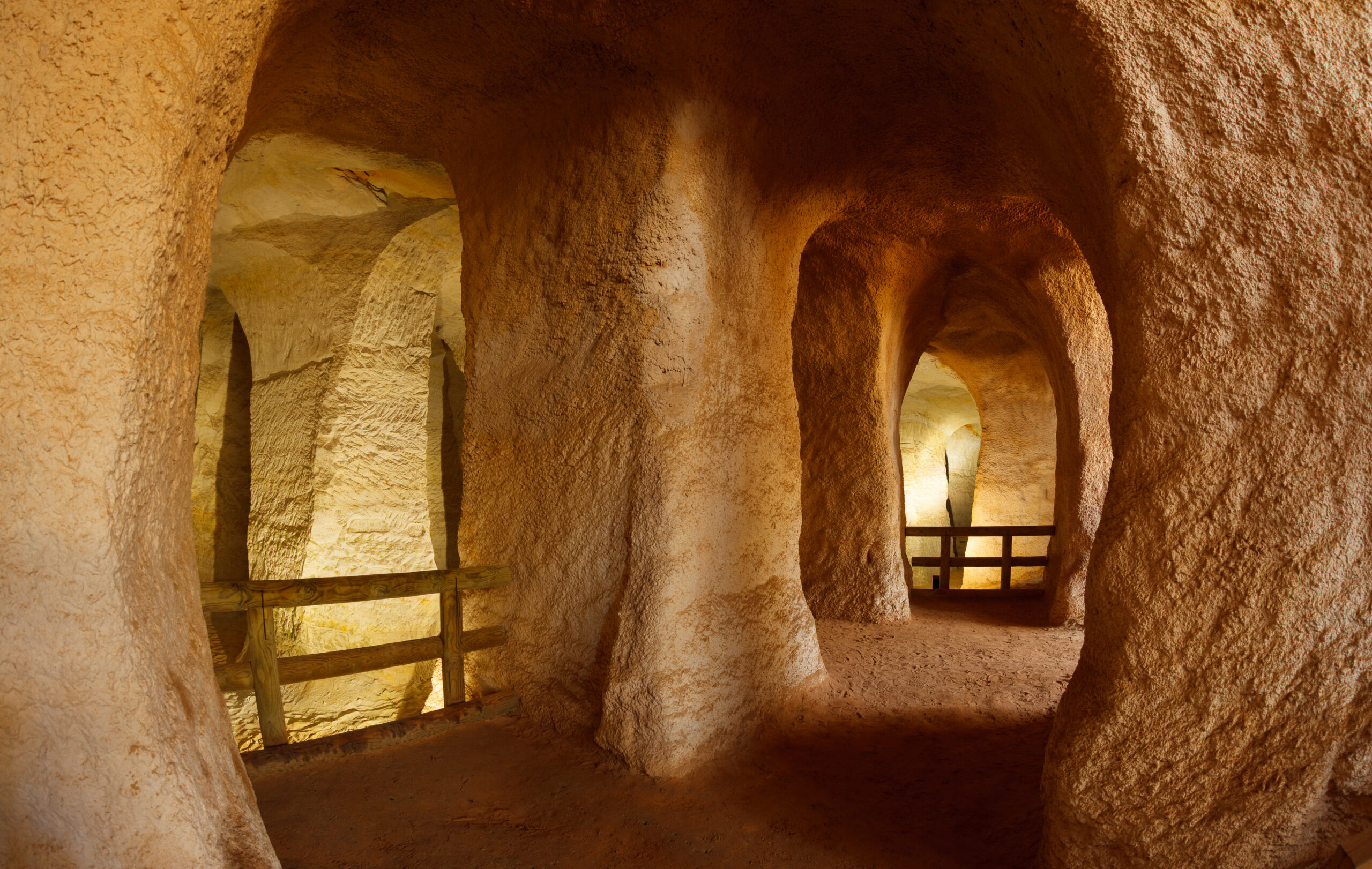
A century ago, fine sand began to be mined here for glass production, and in the process some 20 kilometres of caves were carved into the landscape, now lined with steep sand ridges. By today, most of the tunnels have been closed, but a section of the most powerful, almost sacred-looking caverns is open as a museum. The landscape of Piusa is unusually undulating and at places almost desert-like. Piusa reveals itself through its
visitor centre.
Süvahavva
On the Võhandu River Primeval Valley Landscape Reserve lie the river’s most famous caves —
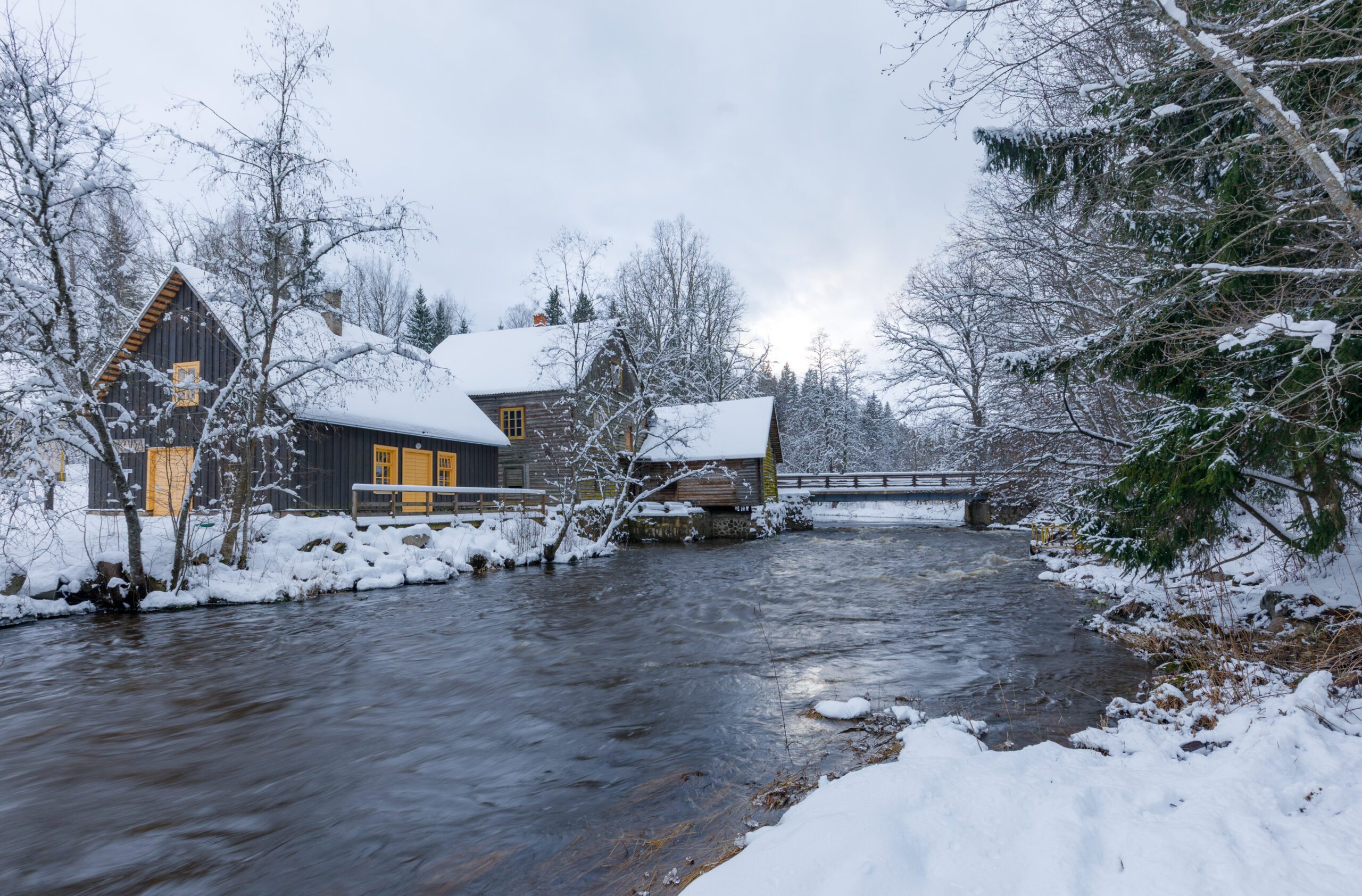
Sõjatare, Uku and Väike-Sõjatare. The caves have been formed by spring streams eroding the fissures of the sandstone, and the easiest way to visit them is by water. On the bank of the Võhandu River, a little further on from the caves at the site of the old Viia mill, stands the Süvahavva wool factory, home to some of Estonia’s oldest spinning machinery. Wool and woollen products are still made there today — and you are warmly awaited.
Saesaare and Kiidjärve watermills
In the Ahja Primeval Valley Landscape Reserve, a long and narrow reservoir stretches between sandstone outcrops, from the majestic
Kiidjärve watermill to the Saesaare hydroelectric power station. One of the region’s most beautiful hiking and running trails winds around the lake, and the views from the water can be enjoyed while swimming, by canoe, or on a traditional
river boat Lonny.
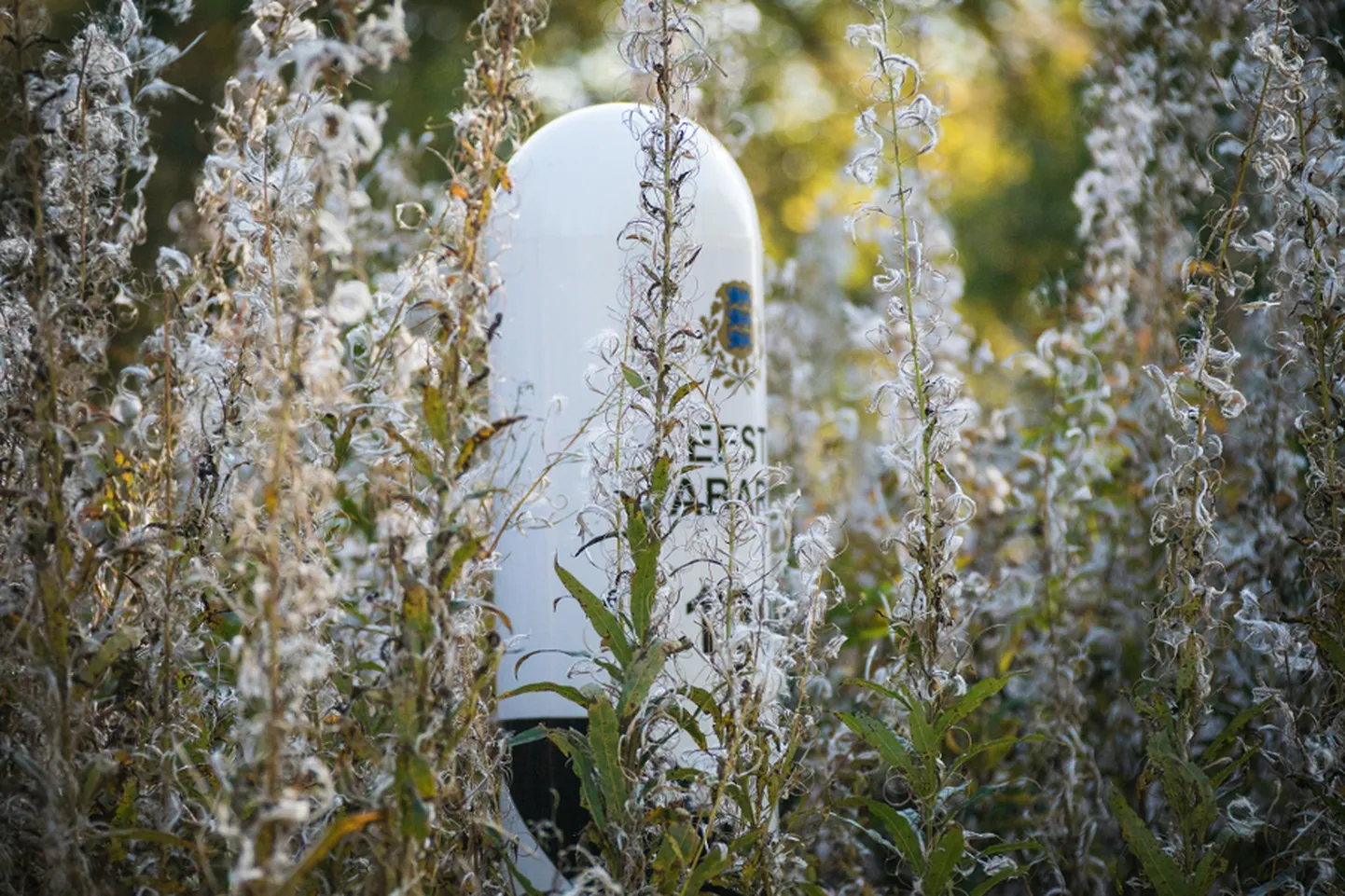
Eastern Border of Europe
Just 40 kilometres from Põlva lies the eastern border of Europe. The border runs across water, bogs, and land. And although a different world begins on the other side, the nature along the frontier is exceptionally beautiful and diverse. You can touch both Europe’s border and your own limits on a
kick-sled journey over the water, on a
snowshoe hike in the Kuresoo bog, or on a
kayak trip along the Piusa River that follows the boundary. The
Lõunalaagri hiking trail offers the same sense of excitement — set on the grounds of a former Estonian Defence Forces camp built in 1920.
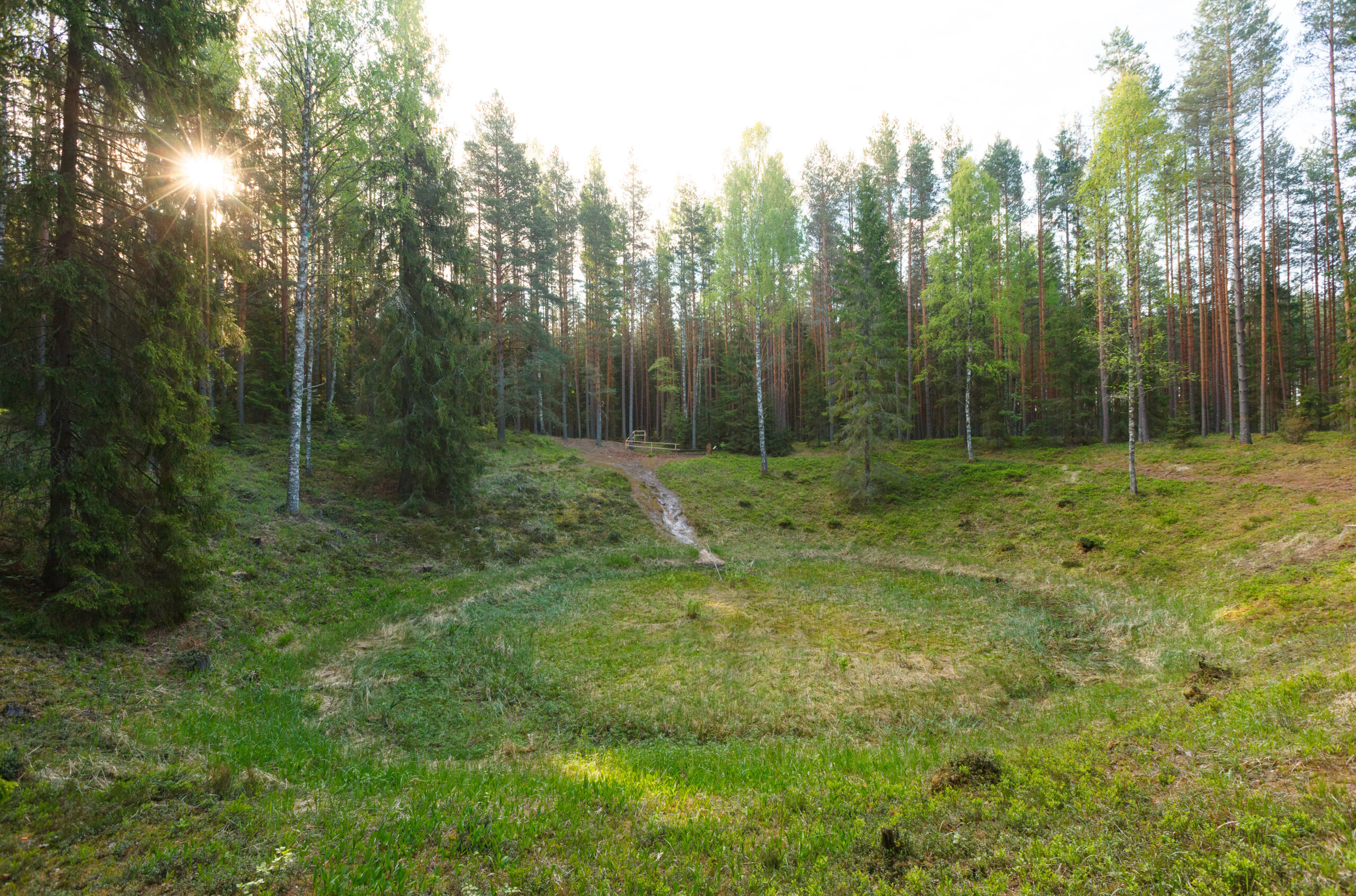
Ilumetsa meteorite craters and hiking trail
Estonia ranks first in the world in the ratio of its surface area to confirmed impact craters. We have seven recognised meteorite structures, two of which — Kaali on Saaremaa and
Ilumetsa near Meenikunno — are exceptionally rare. Formed about 6,600 years ago, the largest of the Ilumetsa craters is Põrguhaud. There are only around 15–20 craters in the world that are so clearly visible to the human eye and perceptible as physical objects.
Experienced Guides
Please meet people you can confidently head into nature and out for sports within this region — and they know more than encyclopaedias and AI.
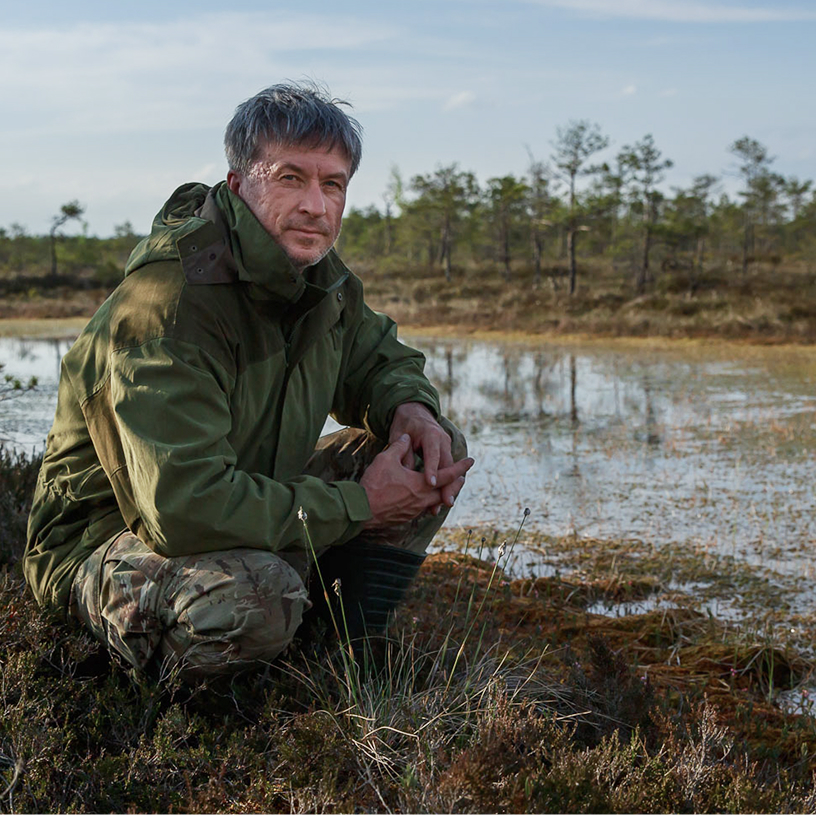
Taavi Nagel
Metsik Retk (Wild Hike). A nature photographer, guide, and teacher. He leads adults and children on foot, snowshoes, or kick-bikes. Many of Metsa 7’s nature photographs have been captured through Taavi’s camera lens — thank you!
metsikretk.ee
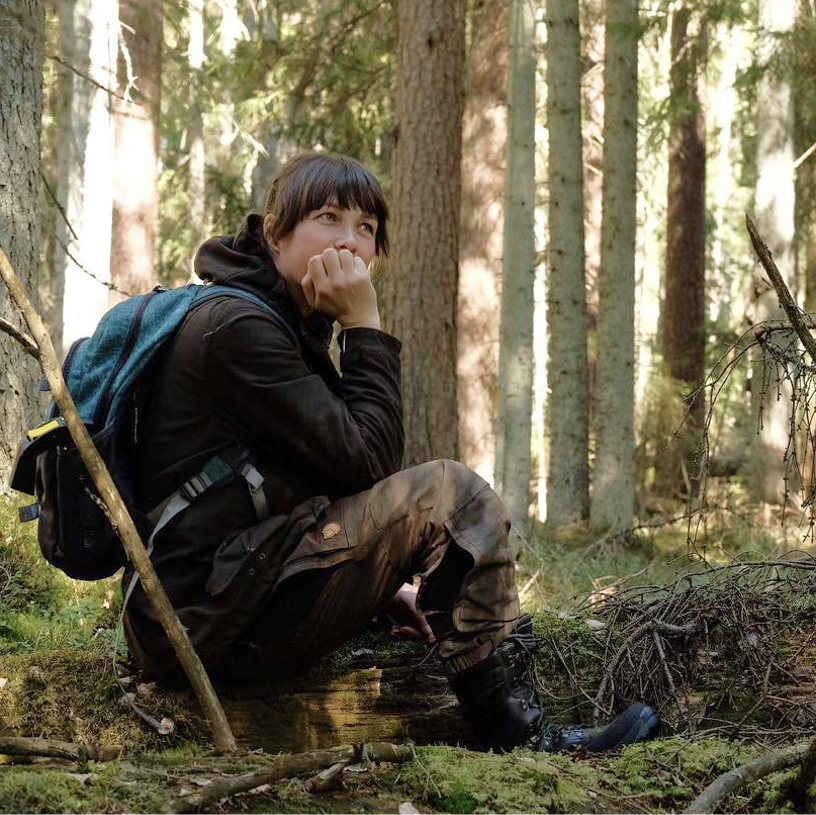
Liisi Peets
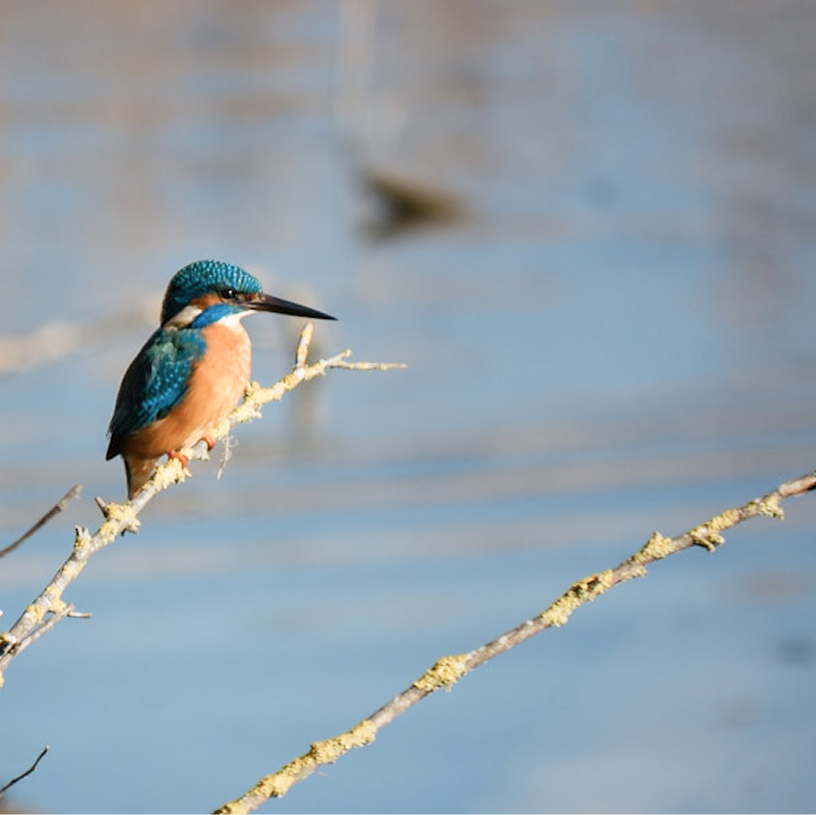
(Nature Sense). Nature trips and birdwatching in South Estonia, away from the usual beaten paths.
loodustaju.ee
Imre Arro
Loodusturism (Nature Tourism). Year-round outdoor sports and hiking in the forest and on water.
loodusturism.ee